Auto Repair Profitability Reporting
Track, Analyze, and Grow Your Auto Repair Business Profit
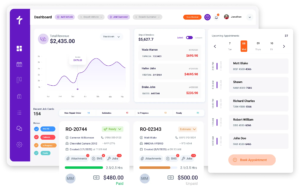
A full schedule can still lose money. Revenue tells you the bays were busy. It doesn’t tell you which jobs covered parts and labor and which quietly gave away margin. Auto repair profitability reporting closes that gap. Torque360 tracks revenue, labor, and parts usage in real time and measures every repair order against its cost, so you can control your shop’s financial performance with reports by job, technician, service type, and time period. Trusted by 1,000+ repair shops across auto, truck, motorcycle, RV, and powersports.

How It Works?
How Do You Track and Improve
Auto Repair Shop Profitability?
Track profit where it’s made: on the repair order. Torque360’s auto repair profitability reporting builds from the revenue, labor, and parts your team already records on each job, so the numbers exist before anyone asks for them. Then comes the part that’s easiest to skip: acting on what the numbers say.


Where Is Your Auto Repair Shop’s Money Going?
Into jobs that earn and jobs that don’t, and a sales total can’t tell them apart. Auto repair profitability reporting can be done because it sets the revenue on each repair order against the parts and labor behind it. Torque360 automotive business profit tracking keeps those numbers current in real time, so an underpriced job caught this afternoon gets fixed on the next quote, not at month-end.
Why Choose?
Why Do Repair Shops Track Profitability
Inside Torque360?
Here’s what shops get when profit is measured on the same repair orders the counter already writes.


What Connects to Profitability Reporting?
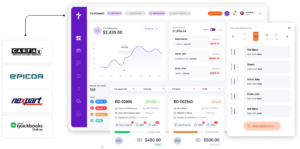
The profitability report reads the repair orders your team writes. The first five modules below are where revenue, parts, and labor get onto those repair orders. The last three answer the money questions this report leaves alone.
Which Repair Shops Use Auto Repair Profitability Reporting?
Where the margin comes from changes with the work. Parts-heavy shops live or die on the parts margin. Labor-heavy shops turn first to technician productivity and revenue per tech. Shops running long builds need profit tracked per repair order, because one overrun can eat a week of margin. Same Torque360 platform, same report, a different first question.


In Their Own Words
Their Numbers on Torque360?
Each of these shops came to Torque360 with a different problem. What they share is the fix: every job’s labor and parts on one record, so the owner can see where the money went.
"We’re a walk-in shop, so cars come in all day without appointments. Keeping up with estimates, jobs and payments was hard to manage. Now everything from inspection to invoice is in one system, and we get customers back on the road much faster."
View Story
"Torque360 keeps our whole shop organized in one place. I can see where every job stands, track expenses and sales, and our customers get professional invoices and a text when their vehicle is ready."
View Story
"Juggling tires, repairs, and paperwork across separate processes, Elite moved everything into Torque360 and now runs faster with fewer errors."
View Story
"Before Torque360, we used a different platform, and that platform didn’t allow us to do any of the stuff that we needed to do. And their customer service was not very good at all"
View Story
"Being able to send estimates directly to customers and receive instant approvals on their phones has dramatically sped up our repair process and improved communication."
View Story
"Torque360 changed everything for us. On long projects, nothing gets lost anymore. Labor, parts, approvals, it’s all there. Since using it, I haven’t lost a single cent."
View Story
“Torque360 has everything I was looking for. From scheduling and tracking jobs to QuickBooks Online integration and Torque Pay, it helps me stay organized.”
View Story
"We were doing estimates and tracking jobs manually, and it caused delays and confusion. Now with digital estimates and invoicing, everything is faster and more organized."
View Story
“Torque360 makes everything easy, efficient, and professional. Each invoice only takes about one to two minutes now. I recommend it 100%.”
View Story
"Torque360 helped us bring everything into one place. Jobs, parts, and invoices are easier to manage, and the shop runs more smoothly day to day. It gives us the structure we needed."
View Story