Epicor Integration

Brings Parts Ordering & Labor Times Into Every Repair Order

Most parts problems are not ordering problems. They are lookup problems. A service advisor knows the vehicle needs a wheel bearing, but not which of the four listings actually fits a 2019 build with the heavy-duty package. Torque360’s auto repair software with Epicor integration puts the Epicor parts catalog, live pricing, and vehicle fitment inside the repair order and brings Mitchell 1 labor times in alongside them. More than 1,000 repair shops run auto, truck, motorcycle, RV, and powersports work on Torque360.

  • Search the Epicor parts catalog from inside the RO

  • Check live Epicor parts pricing and availability before you quote

  • Price labor on the same estimate with Mitchell 1 labor times

  • Built into Torque360, no separate Epicor account to manage

How It Works?

How Does the Torque360 Epicor
Integration Work?

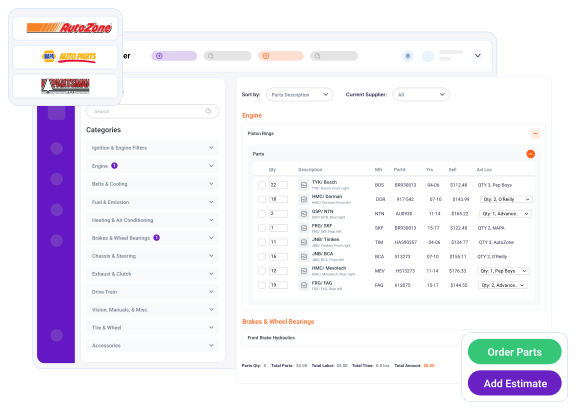
The Epicor integration runs as a parts catalog inside your repair order. Advisors search Epicor part listings, confirm the part matches the vehicle on the job, and order it. The estimate and invoice update from that one action.

Open the RO & Search the Catalog

Start from the repair order that already carries the customer and vehicle record. Type the part name, part number, or category into the Epicor catalog search without opening a second tab.

Start From the Vehicle

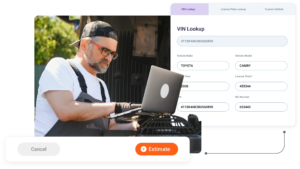
With the VIN or vehicle on the RO, the catalog returns the parts that fit that build, so the advisor is working from the right vehicle’s parts rather than sorting a general list down to one.

Check Pricing and Availability

Review current Epicor parts pricing and stock, plus delivery timing, next to each listing. Advisors quote from what is actually available today instead of a price sheet from last quarter.

Place the Order

Select the part and order it through the Epicor connection inside Torque360. No external portal, no re-keying a part number into a supplier site.

Let the Record Update Itself

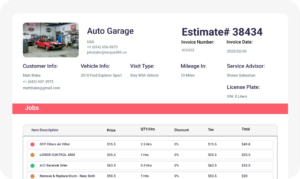
Torque360 posts the part to the repair job, the estimate, and the invoice the moment it is ordered and reflects it in inventory. Nobody retypes a price into three places.

Integrate Your Entire Workflow

What Does the Epicor Parts Catalog Add Inside Torque360?

The Epicor automotive parts management catalog shows advisors the parts of the suppliers the shop has connected, and only those. Connect the accounts you order from, a national chain like NAPA or AutoZone, and their catalogs, with live pricing and availability, are what the advisor searches from inside the repair order.
Search by an OE part number and cross-reference it to the aftermarket equivalents Epicor lists. Useful when a customer arrives with a number from a dealer quote and wants to see the options.


Every supplier portal names parts its own way and orders results its own way, so the same component hides under a different label from one to the next. A single Epicor catalog gives advisors one consistent set of listings that reads the same on every job, instead of relearning each supplier’s quirks.

Quickbooks automotive accounting software

How Does Epicor Fitment Data Reduce Wrong Parts and Comebacks?

Because Epicor works from the vehicle on the job, the advisor only ever sees parts that fit the selected build. The parts that could go on the wrong car are not on the screen to begin with, so the fit is settled at search before anything is ordered.

Pull the vehicle by VIN or license plate and narrow the catalog to the listings that fit that exact build. The variations that cause most wrong orders get ruled out at the search stage, before anything is ordered.

When a wrong part is caught at the shop, it is still a return to package, a credit to chase, a restocking fee to absorb, and a bay holding a car it cannot finish. Confirming the fit before the order goes out keeps that whole chain from starting.

A comeback is the costlier miss. The part fit, so it went on the car and out the door, but it was the wrong specification for that trim, and now the customer is back. Matching the listing to the exact vehicle catches the spec difference a description line alone would hide.

What Do the Labor Time Guides Add to Every Estimate?


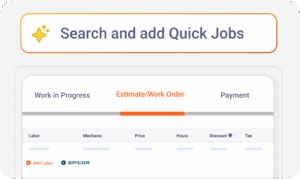
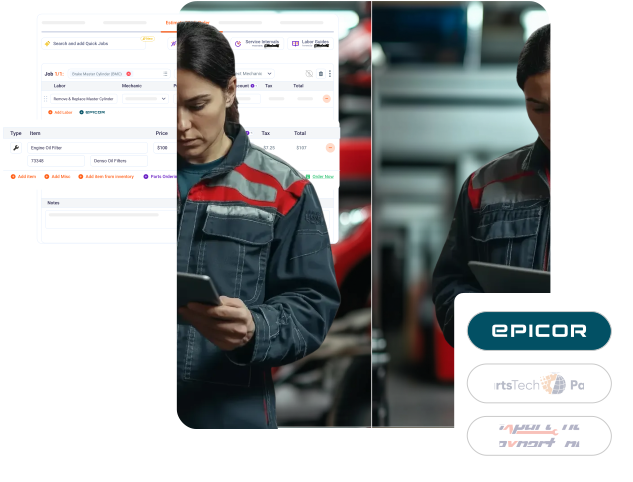
The integration is not only parts. The same Epicor by Mitchell1 connection brings Mitchell 1 labor times into Torque360, so once the parts are on the job, the labor hours are right there too, and the advisor prices the whole job in one place instead of pricing parts here and working out labor by hand.
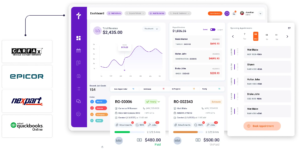
Mitchell 1 publishes standardized labor times for repair operations, so the advisor quotes from an industry reference rather than a memory of how long the last one took. Every advisor at the counter quotes the same job the same way, whether they have done it a hundred times or never.

Underquoting labor is a quiet profit leak. The unfamiliar job that takes three hours but gets written up as one. Standard times give the advisor a real number to start from, so the shop charges for the work it actually does.

Labor times land on the same estimate the parts landed on. The customer gets one complete figure to approve, not a parts quote now and a labor number once someone has had a chance to work it out.

When a customer questions the labor line, a standardized time from a recognized source is an answer you can point to. It turns “that is what we figured” into “that is the published time for this operation on this vehicle.

Quickbooks automotive accounting software

Put Parts and Labor Where the Work Already Happens

Your advisors already have the vehicle open in Torque360. The Epicor integration means the parts catalog and the labor times are open too. Same screen, same repair order, same record.

Built to Power Entire Auto Shop Operation

Why Do Repair Shops Choose Torque360’s
Epicor Integration?

parts integration earns its place by taking steps out of the day, not by adding another system to run alongside the shop. Here is what makes advisors reach for it on every repair job.

Built In, Not Bolted On

The Epicor integration is part of Torque360’s Turbo plan, not a third-party add-on you wire up yourself. There is no separate Epicor account to open, no second login to hand out, and no supplier onboarding to sit through before the first search.

Advisors Stop Working Across Tabs

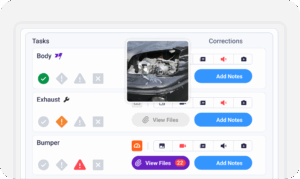
Finding a part does not mean leaving the job. Catalog search, fitment check, live pricing, and the order all happen on the open repair order, so the advisor stays on the customer’s record from question to purchase instead of bouncing to another window and back.

One Entry Instead of Three

A part is entered once, when it is ordered, and never typed again. That single point of entry is what keeps prices and quantities from drifting between the estimate and the invoice. The quiet mismatches that come from re-keying the same part into a second system.

Nothing to Maintain

The parts catalog and the labor times are kept current by Epicor and Mitchell 1, not by you. No importing price files, no updating labor rates by hand. The data an advisor searches is the data as it stands now.

Other Powerful Integrations

How Does Epicor Parts Data Connect to the
Rest of the Shop Workflow?

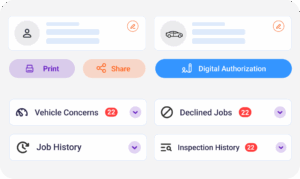
A part looked up through Epicor does not stop at the order. The same part record carries into the estimate the customer approves, the repair order the technician works, the invoice at checkout, the inventory count, and the parts profitability line in reporting, with one part number entered once.

appointment-booking-widget

Book jobs, manage calendars, and reduce no-shows.

digital vehicle inspection software

Capture photos and videos. Add notes and findings.

auto repair estimating software

Build accurate estimates with labor, parts, and pricing.

repair order software

Convert approved work into organized repair orders.

auto repair invoicing software

Generate invoices from completed labor and parts.

auto repair job board software

Track jobs, assign technicians, and monitor progress.

Built for Every Type of Repair Shop

Catalog depth matters most where vehicles vary. Independent auto, truck, motorcycle, RV, and powersports shops use Torque360’s Epicor integration to find vehicle-specific parts without keeping a separate catalog subscription for every job type they take in.

Mechanic Shop

Motorcycle Repair

Truck Repair

Oil Change

Tire Repair

Mobile Mechanics

Testimonials
What Shop Owners are Saying About Epicor Integration 
google
capterra
trustpilot
G2 Award Badge for User Love in Auto Repair Shop Software

Connect Epicor and Get Parts and Labor Inside Your Repair Orders

Give your advisors a parts catalog that filters to the vehicle in front of them, prices it live, brings the labor times with it, and posts it all to the repair jobs without a second system.

  • Search Epicor part listings from inside the RO

  • Confirm fitment by VIN, plate, or year, make, and model

  • Quote from live Epicor parts pricing and availability

  • Price labor on the same estimate with Mitchell 1 labor times

  • No separate Epicor account required

Frequently Asked Questions

Epicor supplies automotive parts catalog and ordering technology used inside shop management software. In Torque360, the Epicor integration does two jobs: parts ordering and labor guides. Advisors set the vehicle, search the catalogs of the shop’s connected suppliers for parts that fit it, and the same Epicor by Mitchell1 connection brings Mitchell 1 labor times onto the estimate alongside the parts.


Yes. Torque360 integrates with Epicor, giving service advisors access to the Epicor parts catalog, pricing, availability, and ordering from inside the repair order. Every part ordered through Epicor posts automatically to the repair job, estimate, invoice, and inventory.


Yes. The integration is both halves of the job: Epicor parts ordering and Mitchell 1 labor times, in one workflow. Advisors price parts and labor on the same estimate. The parts come from Epicor’s catalog and the labor hours come from Mitchell 1’s guides, delivered together through the bundle Torque360 lists as Epicor by Mitchell 1.

Pull the vehicle by VIN or license plate, then search the Epicor catalog filtered to that vehicle. Confirm part fitment lookup via Epicor and price against the listing, then add Epicor parts to a repair order. The filtering step is what removes most wrong-part orders.

Yes. Advisors search the auto parts catalog inside shop software, confirm the part, check pricing and availability, and place the order from inside the repair order. Torque360 then updates the repair order, estimate, and invoice from that single action.

The Epicor integration is available on the Turbo plan, the bundle Torque360 lists as the Epicor by Mitchell1 integration, which pairs Epicor parts ordering with Mitchell1 labor guides.

No. They are different companies with different roles in the workflow. Inside the integration, Epicor supplies the comprehensive auto parts catalog and ordering, while the automotive labor time guide is Mitchell 1’s. Torque360 bundles the two as Epicor by Mitchell1, so parts and labor come through together in one integration.

Yes. Torque360 syncs Epicor parts to the invoice and inventory the moment the order is placed, so advisors never re-enter part numbers, costs, or quantities.